
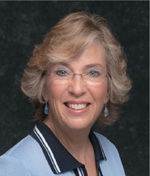
BY MINDY OWEN, RN, CRRN, CCM, FCM
When I reflect on the time CMSA was more of an idea than reality, it reminds me of the small group of us who were passionate, energetic, hopeful, and inspired to bring forward the practice of case management. We knew for it to be successful we wanted to be inclusive of all professionals that practice case management. We said collaboration would be the bedrock, but reaching that goal had challenges. We believed case management could reduce fragmentation within the healthcare system, as well as increase collaboration and communication. We came from all over the United States, practicing in acute care, payor organizations, and public entities and found we were dealing with many of same issues within our case management practice. We experienced a lack of a coordinated care approach to complex care planning, a lack of collaboration within the healthcare teams, not enough support, education, or direction for patients and families who were trying to navigate complex systems that were unfamiliar to them. We all felt that as healthcare professionals with experience in the system, we could help streamline the process and provide expertise that was, at that point, not available. We knew that having an organization, and speaking through one voice, would be a good first step.
A small group of 13 case managers, from California, Florida, Texas, Colorado, Illinois, and Virginia was asked to meet at the Marriott Hotel at O’Hare Airport with an invitation from The Hill Group, an association management firm, who brought the idea forward and had the expertise to help design, develop and launch CMSA. We all agreed to this first meeting, with little to no expectations, and we covered our own expenses. We shared later with each other that we thought this meeting most likely would be a “one and done.” The Hill Group, however, did an excellent job of laying out the vision, the potential, and how they would assist in launching the organization. We were hooked!
At that meeting we had several “to-dos.”
What would the name of the organization be? We decided not to be an “association.” The decision was to be a “society.” We could not think beyond the United States at the time, so we wanted “America” in the title. We hoped that it would bring everyone to the table. So, we became The Case Management Society of America.
Who would lead the group? That day we named Nell Ann Peck our first president, and I was asked to be her vice president. The Hill Group confirmed they would help develop the structure and guide us in the development of CMSA, bringing others to leadership positions that would build the Society.
Before we left the meeting that day, we were all asked to help “fund” the society. It was discussed and we agreed to $65.00 as the amount. We each wrote a check for $65.00 to support our vision of CMSA.
When we left the hotel, there was sense of purpose, energy, and enthusiasm that we could make a difference for case managers and those we serve. I don’t think we realized what we had committed to, but while we knew it would be a challenge, we also knew the time was right to lay the foundation. The work had just begun.
Once The Hill Group helped us define our structure and recruited other case managers to get involved, we discussed having a conference. We felt it would be good to “spread the word” of who we were, encourage membership, and begin an educational platform for case managers. We rolled up our sleeves and, under the leadership of Nell Ann Peck and support of The Hill Group, we hosted our first conference in San Diego with 400 case managers present. Marci Auerbach MSW, a board member who had been recruited to join CMSA, was asked to chair the conference, and it was a great success.
In the early days of CMSA, we knew we had to present “who we are.” Our goals included.
1) A definition of case management as recognized by CMSA
2) Criteria for membership
3) A mission, and vision of the Society
4) Standards of practice
During my presidency, we ratified the CMSA Definition of Case Management and had the opportunity to have it documented within the congressional record. We felt this was very important, as this definition would then be referred to in both the public and private sector of healthcare. We were very proud of this accomplishment, as it remains in the congressional record today. Our very first lobbying activity was a success!
One of my greatest pleasures as president was to be invited to speak at local chapters or events across the country. While CMSA did not have the funds to support this activity (we all paid our own expenses), it was an opportunity to help increase membership, understand local issues, and encourage and recruit leaders. We had a 50% increase in membership under my presidency, and that validated, to me, that we were on the right road. The best part: All those that I met, and worked with along the way, today I call friends!
Today I see the need for case managers inside the healthcare system to be greater than ever. While we were naïve to think we would reduce fragmentation, improve collaboration, and lead the management of complex care plans quickly and easily, the work is as important as it was 35 years ago. We are advocates at our core, and that role is vital as we navigate the complexities of the system. And if we believe that premise is true, the need to support the practice through education, legislation, and collaboration is essential. CMSA has an important role going forward. I have always believed we are stronger with one voice, and it is true today. During my 35-plus years as a case manager, I have seen the practice evolve. As an example, during my presidency, utilization review was a separate department from case management. Over the years, it became a blended practice in many organizations. Now, once again, we are seeing a division of roles and responsibilities. Today, utilization management and case management departments may report to different senior leaders, with many UM departments reporting to finance and case management reporting up the clinical leadership structure. CMSA must be the voice. CMSA must be the organization that gives guidance and support as to the vital role case management plays in healthcare. CMSA must provide insights and SMEs into research regarding the impact of case management within healthcare. No other professional organization has the depth and breadth of knowledge or expertise of the case management practice.
When I meet young case managers today, I appreciate the difficult role they have assumed. I tell them this will be the “best, hardest position you will ever have.” But know that the impact you will make with patients and families will stay with you forever! Your role is unique and critical to the success of the care planning process. You will be on a learning curve your entire career, but you have support through CMSA. Lean on that support to be the best case manager you can be. You will look back and be proud of your career and the impact you have had on those you serve.
Mindy Owen RN, CRRN, CCM, FCM, is a founding board member and past president—CMSA (2nd President), commissioner and past chair—CCMC, and public member—Academy of Clinical Research Professionals Board.
Image credit: ISTOCK.COM/NAZAN AKPOLAT
The post Voices of Leadership: Reflections From Past Presidents appeared first on Case Management Society of America.
Source: New feed